Importance of the Book of Hours in today’s time
In an age dominated by digital screens and instant connectivity, the Book of Hours may seem like an anachronism, a relic of a bygone era when illuminated manuscripts were the pinnacle of artistic and spiritual expression. Yet, as we find ourselves increasingly disconnected from the simple rhythms of life; through the workshop there grew a resurgent interest in the Book of Hours and its significant role in providing spiritual and artistic solace and encouragement for mindfulness in today’s fast-paced world.
The Book of Hours workshop invites the participants to take a pause and reconnect with themselves through art. The importance of such a practice cannot be overstated; dedicated time for reflection and artistic experimentation leading to moments of quiet contemplation that which is essential for mental well-being. The workshop sessions gave an opportunity to reset the mind and focus on personal intentions, gratitude, or contemplation of life’s deeper meanings.
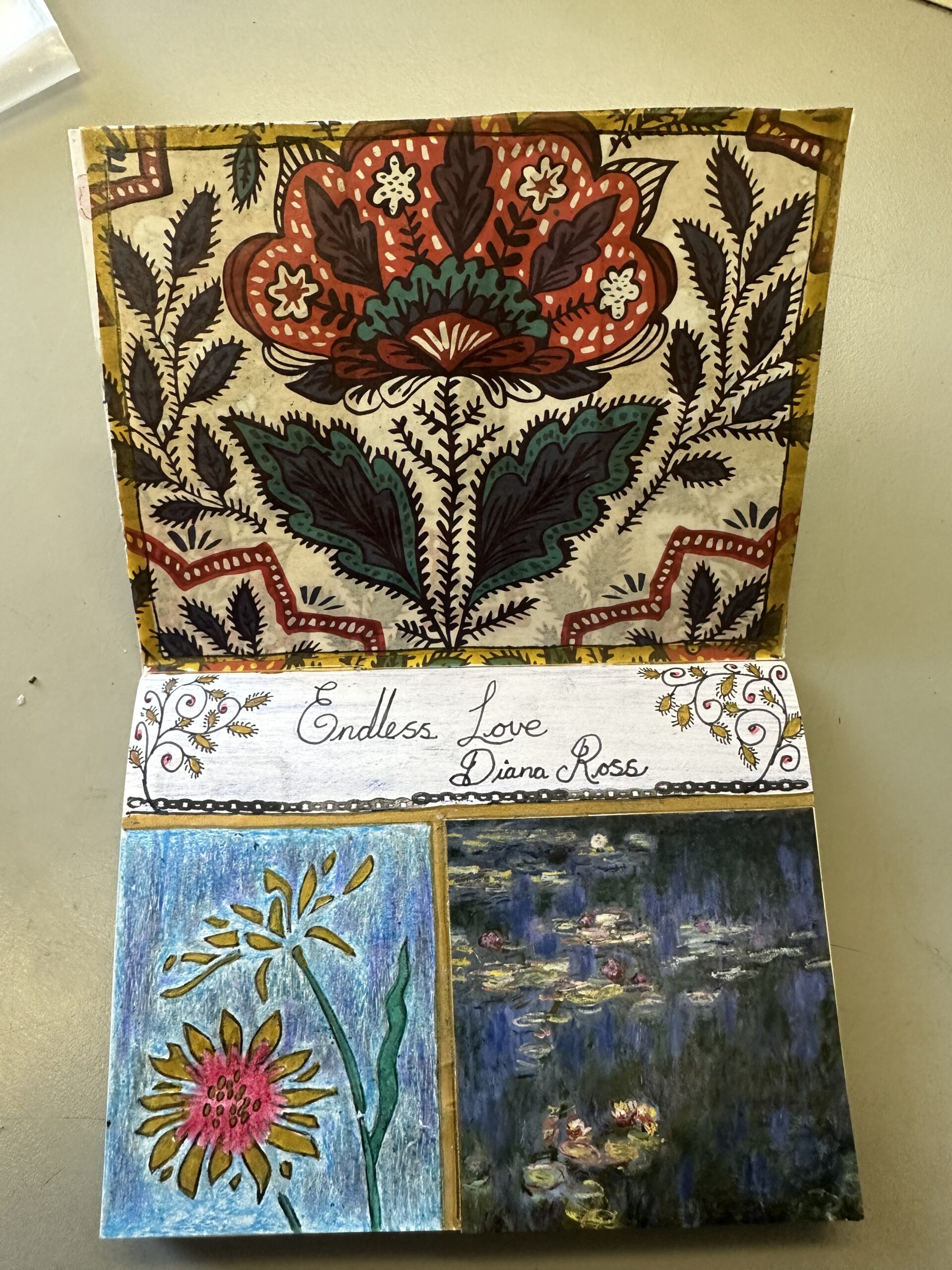
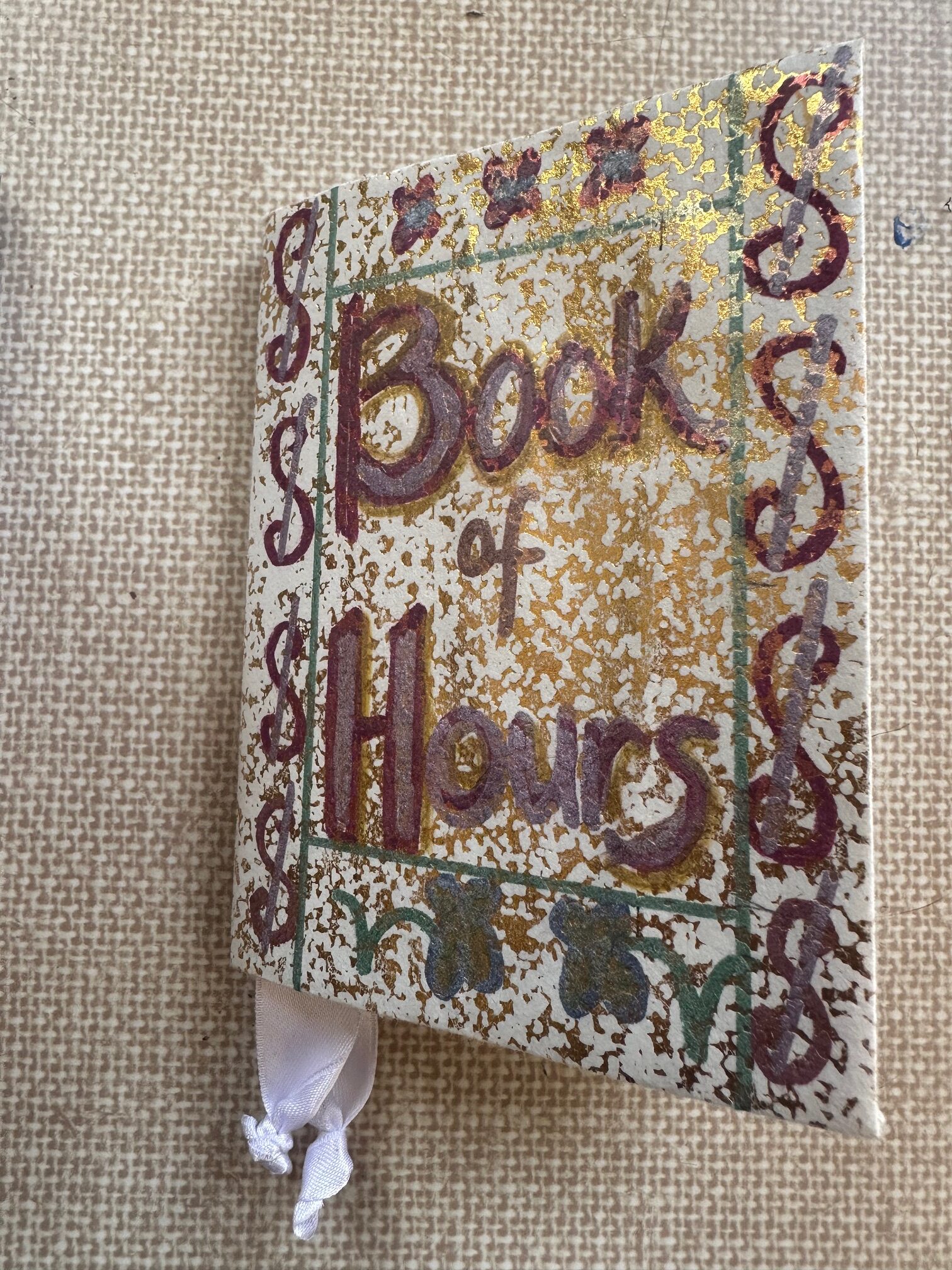
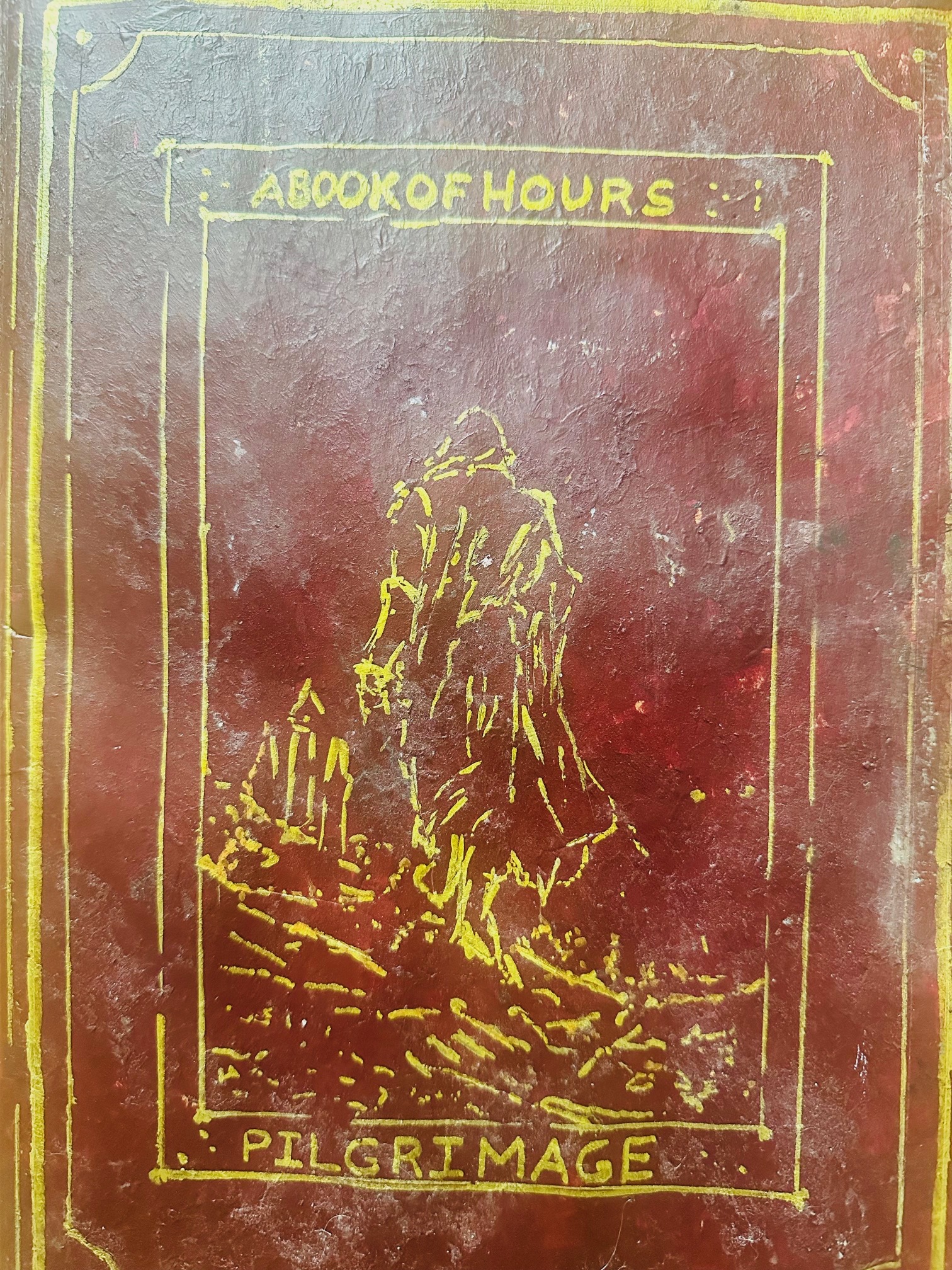
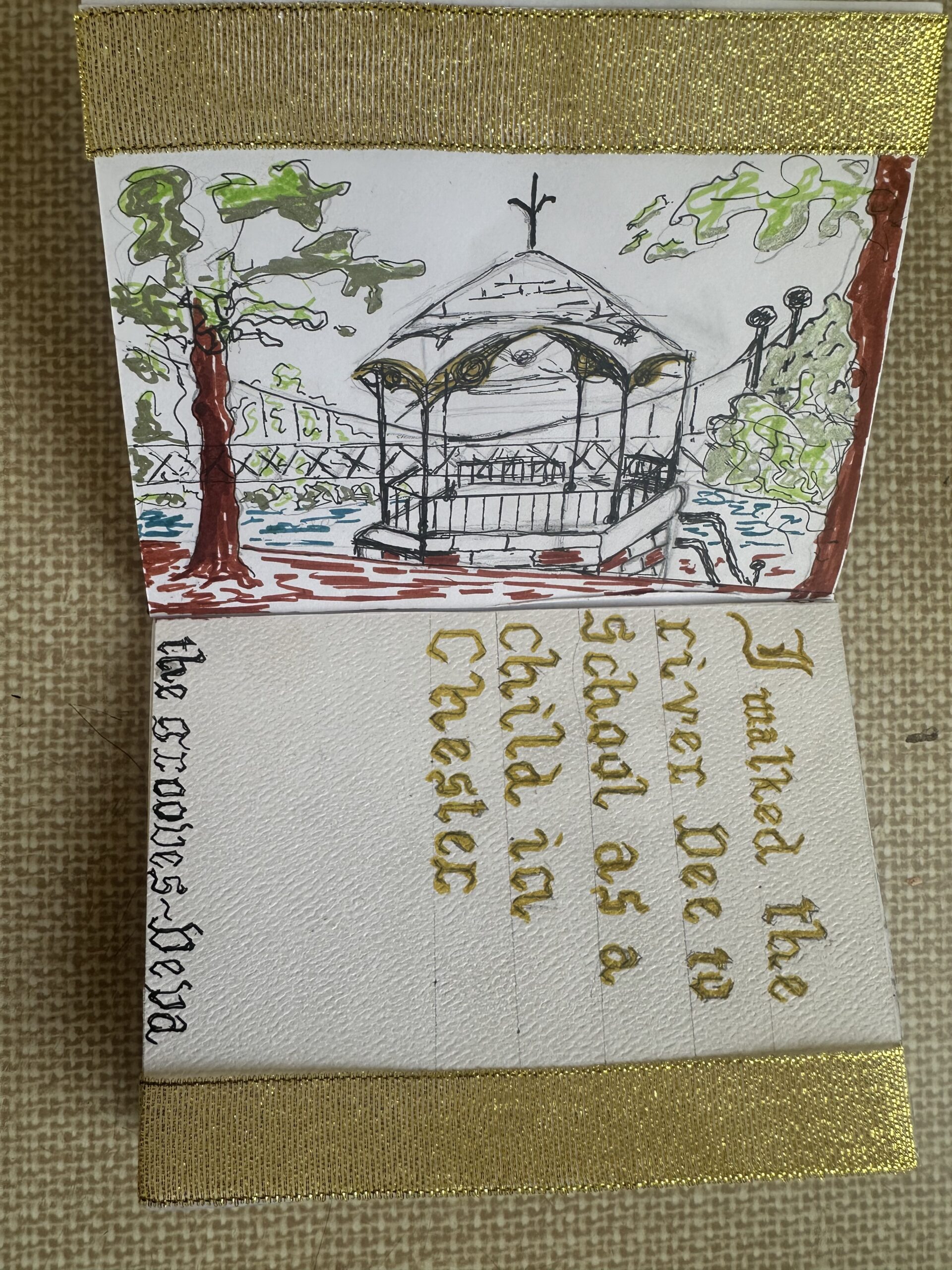
This workshop offered the participants to develop a unique artistic expression that includes the intricate illustrations and beautiful calligraphy found in the their book of hours which showcase the artistic skill developed by the participants during these workshops. These artistic elements make the Book of Hours both aesthetically pleasing and culturally enriching.
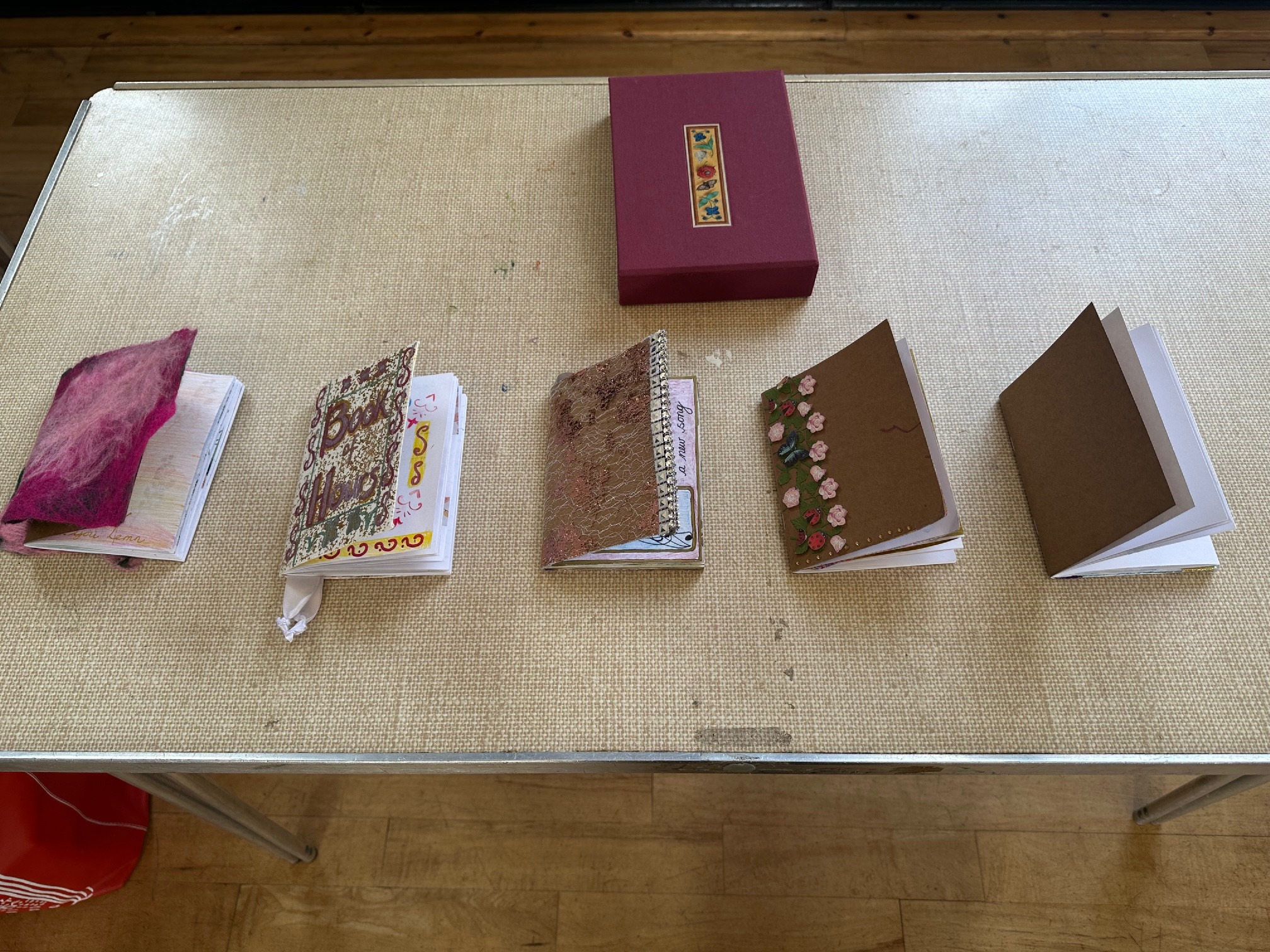
The workshop encouraged contemporary interpretation and personalization of the Book of hours allowing participants to resonate with their unique artistic journey. This flexibility makes the Book of Hours not just a historical artifact but a living document that can evolve to meet contemporary spiritual and artistic needs.
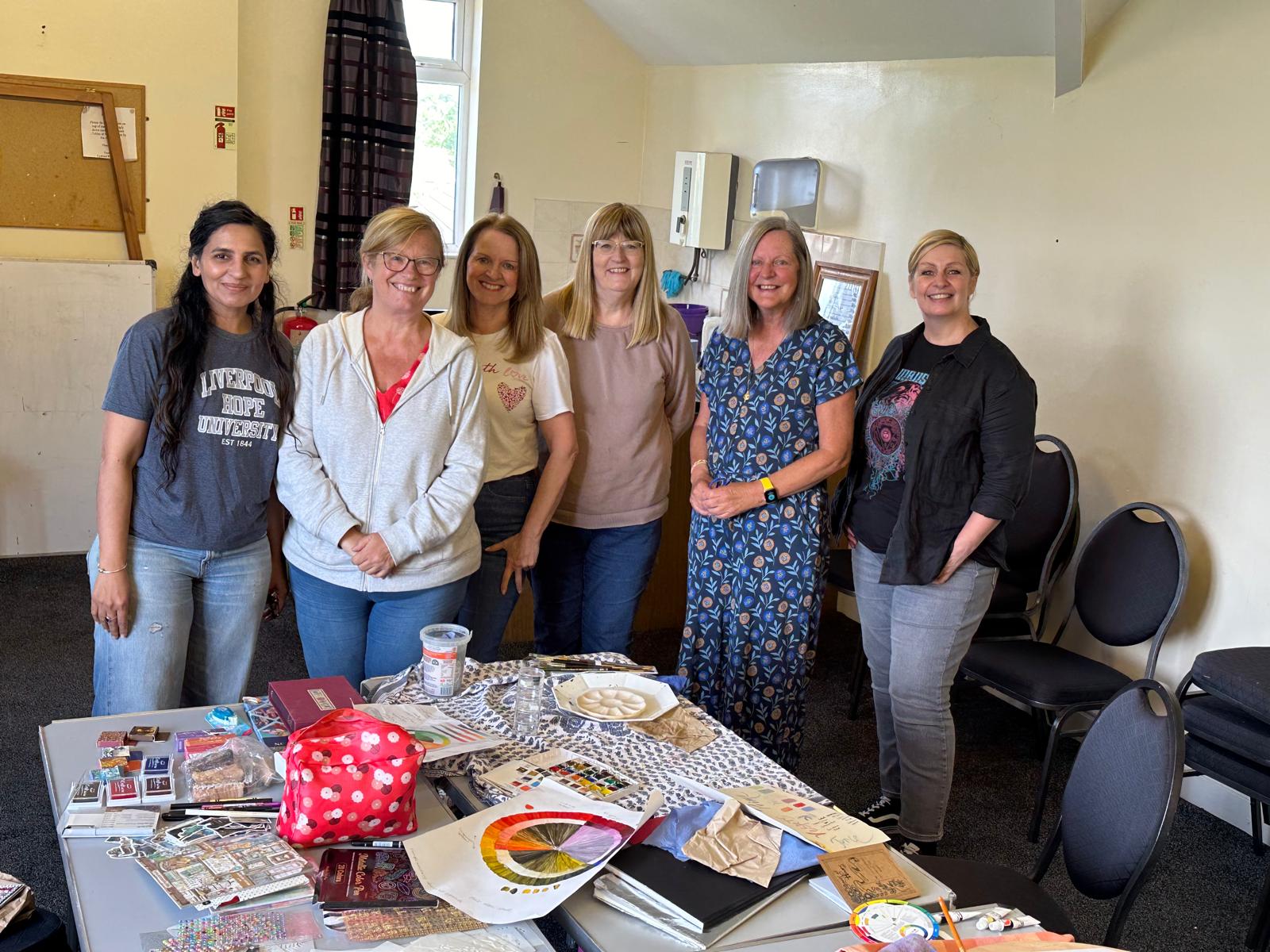
The Book of Hours project offered a sense of connection and community through sharing experiences and discussions on the individual topics of the book of hours . This served as a reminder of the importance of fellowship in spiritual journeys, supporting mental well-being and a sense of belonging.
About the Book of Hours workshop
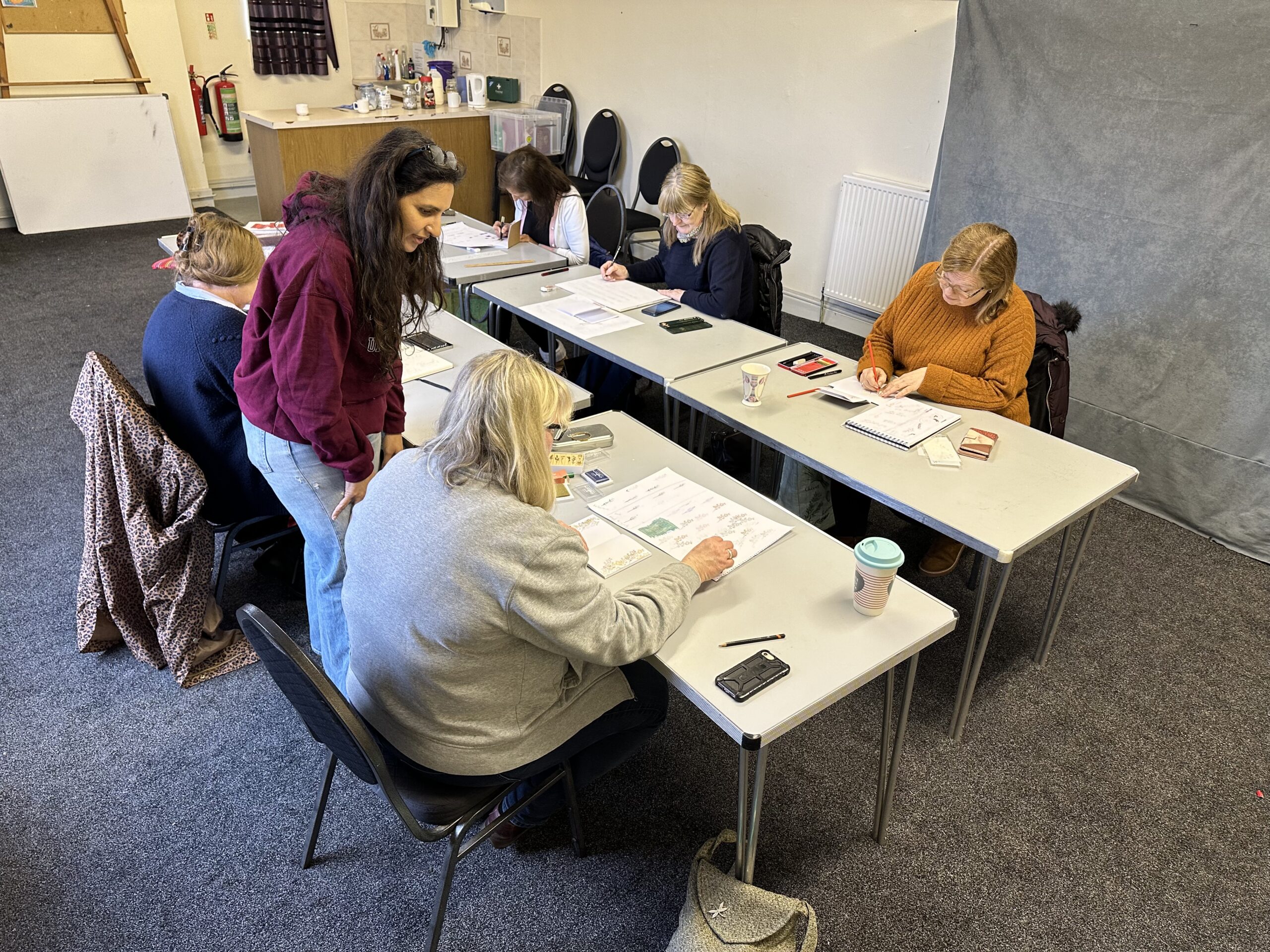
The journey of conducting the workshop began with thorough planning. I aimed to create an environment that fostered discussion among participants, reflection and creation of the contemporary Book of Hours. I gathered various art materials (provided by the university) such as small size paper book, ink pens, watercolours, stickers and calligraphy tools to allow participants to engage in authentic manuscript creation.
Promotion of the workshop was essential. I utilized social media, local community boards, and partnerships with local art group to attract participants from diverse backgrounds. The workshop appealed to people from different backgrounds such as artists, students and anyone curious about the significance of this medieval artifact.
The primary objectives of the workshop were to educate participants about the history and function of the Book of Hours, to develop an appreciation for the intricate artistry involved, and to create a personal Book of Hours as a tool for mindfulness and reflection. Additionally, I wanted participants to engage in discussions about the themes of their book of hours and personal creativity.
The workshop unfolded over six sessions in which I introduced the historical context of the Book of Hours, examining its evolution from a monastic object to a personal devotional book. We discussed how individuals in the Middle Ages used these books not only for prayers but as a means of meditative practice—a concept that resonates with the rituals of mindfulness and gratitude popular today.
After the introduction, participants were guided through the art of calligraphy, using traditional techniques to write prayers, poems and verses that held personal meaning for them. The participants were also showed many art techniques and colour theory concepts. The atmosphere was filled with creativity and reflection as each person designed their own pages, incorporating illustrations and motifs that resonated with their inner selves.
In the workshops, we also explored the concept of incorporating modern elements into our personal Books of Hours. Participants were encouraged to include contemporary prayers, affirmations, or quotes that inspired them, merging their historical appreciation with present-day relevance. We also engaged in discussions about the importance of carving out time for spiritual reflection in our busy lives, drawing parallels between our workshop experience and the original intent of the Book of Hours.
As participants immersed themselves in the art and practice of creating a Book of Hours, it became clear that this workshop was more than an artistic endeavour; it was a much-needed respite from the modern chaos. In an age where mindfulness practices such as meditation and journaling are promoted for mental well-being, the Book of Hours offers a historical framework for these traditions, suggesting that the need for personal reflection has been intrinsic to human experience for centuries.
Conducting the Book of Hours workshop was an enriching experience by reviving the customs of the past, that can inspire meaningful practices in the present. The Book of Hours serves not only as a historical artifact but as a powerful reminder of the importance of taking time out of our lives to reflect, connect, and create. I left the workshop with a renewed appreciation for this medieval book and the hope that participants would carry forward the lessons of spirituality and creativity in their modern lives.