Art classes
My painting classes are designed for both representational artists and those who wish to explore abstract painting. They are especially suited for painters who want to loosen up, move beyond excessive detail, and develop a more expressive and confident approach to painting.
My teaching method is built around the essential foundations of value, colour, composition, and brushwork, helping artist paint with greater freedom, confidence, and enjoyment. I guide you through these building blocks step by step, making the process approachable and encouraging regardless of your experience level.
For many years before attending graduate school, I learned to paint loosely and expressively under the guidance of my mentor, artist Roy Munday, who runs the Sefton Art Group. Later, my formal art education allowed me to deepen my understanding, refine my process, and eventually discover abstract art as an important part of my creative practice.
Today, my classes and workshops combine both of these influences - balancing strong technical foundations with exploration, intuition, and personal expression.
My classes are suitable for beginners who have never painted before, intermediate artists looking to refine their skills and explore new methods and techniques, and advanced students interested in developing their abstract painting practice. The classes are also open to those who may never have painted before but are curious about exploring abstract art, as well as people who simply wish to paint as a hobby and work on a personal painting project.
I regularly share my thoughts and reflections through my blog and newsletters, including creative insights, teaching, explorations of artists’ works, painting processes, research, and ideas from my artistic practice. Subscribe to stay connected and receive updates on new writings, classes, and projects.
Abstract art
Abstract painting can often feel intimidating, as though it belongs only to certain people or requires a special kind of talent to understand. But creativity is not something you either have or don’t have — sometimes you simply need a way to begin.
In my workshops, I guide you into the process so you are not starting from nothing, but learning how to respond to something meaningful and personal. You do not need any previous art experience — only curiosity, openness, and a willingness to explore where the process leads you.
Together, we discover how to take a personal memory, feeling, experience, or even a representational image, and translate it into your own visual language. Through layering colour, mark-making, texture, and experimentation, you gradually build both confidence and freedom in your painting practice without fear of getting it “wrong.”
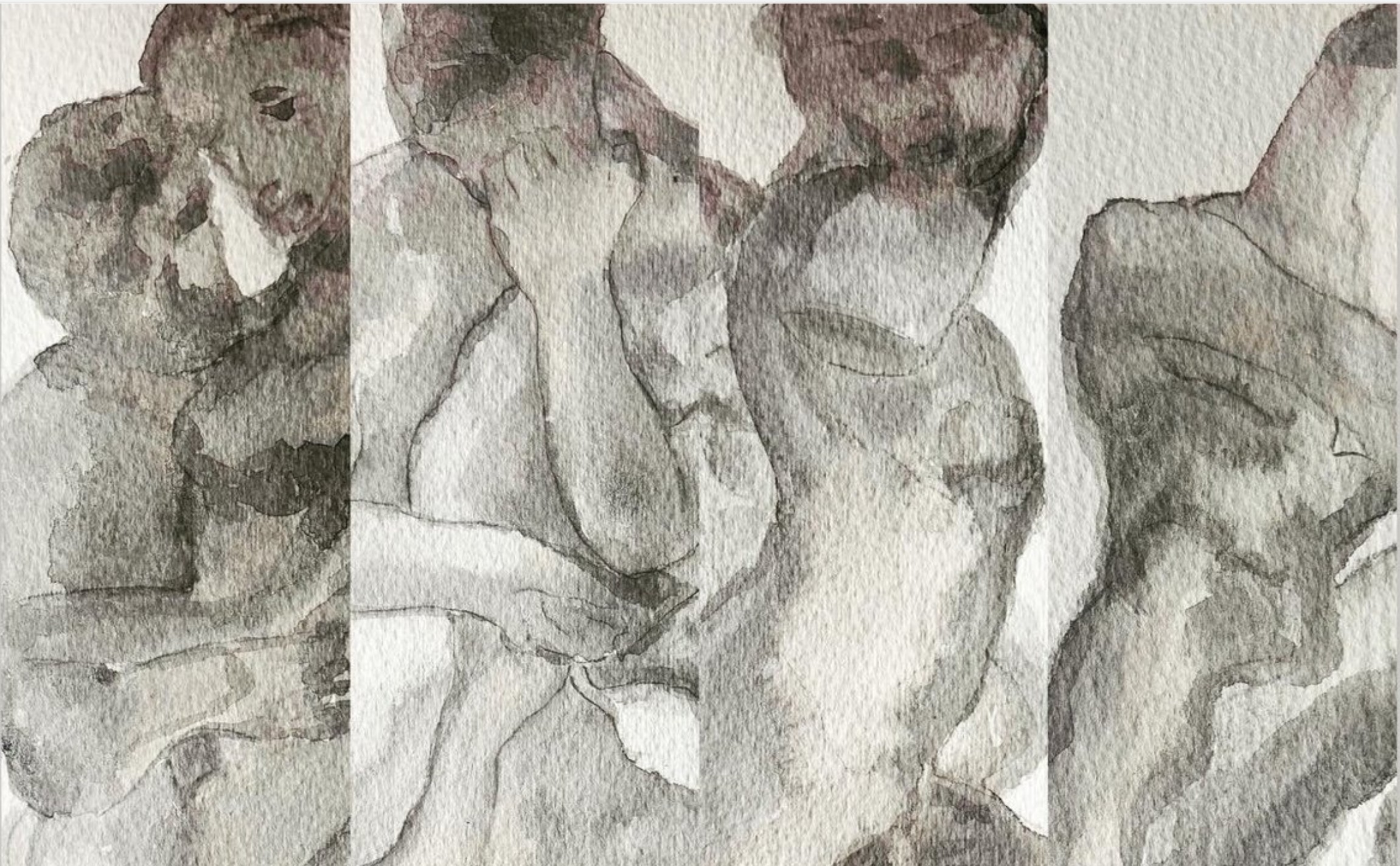
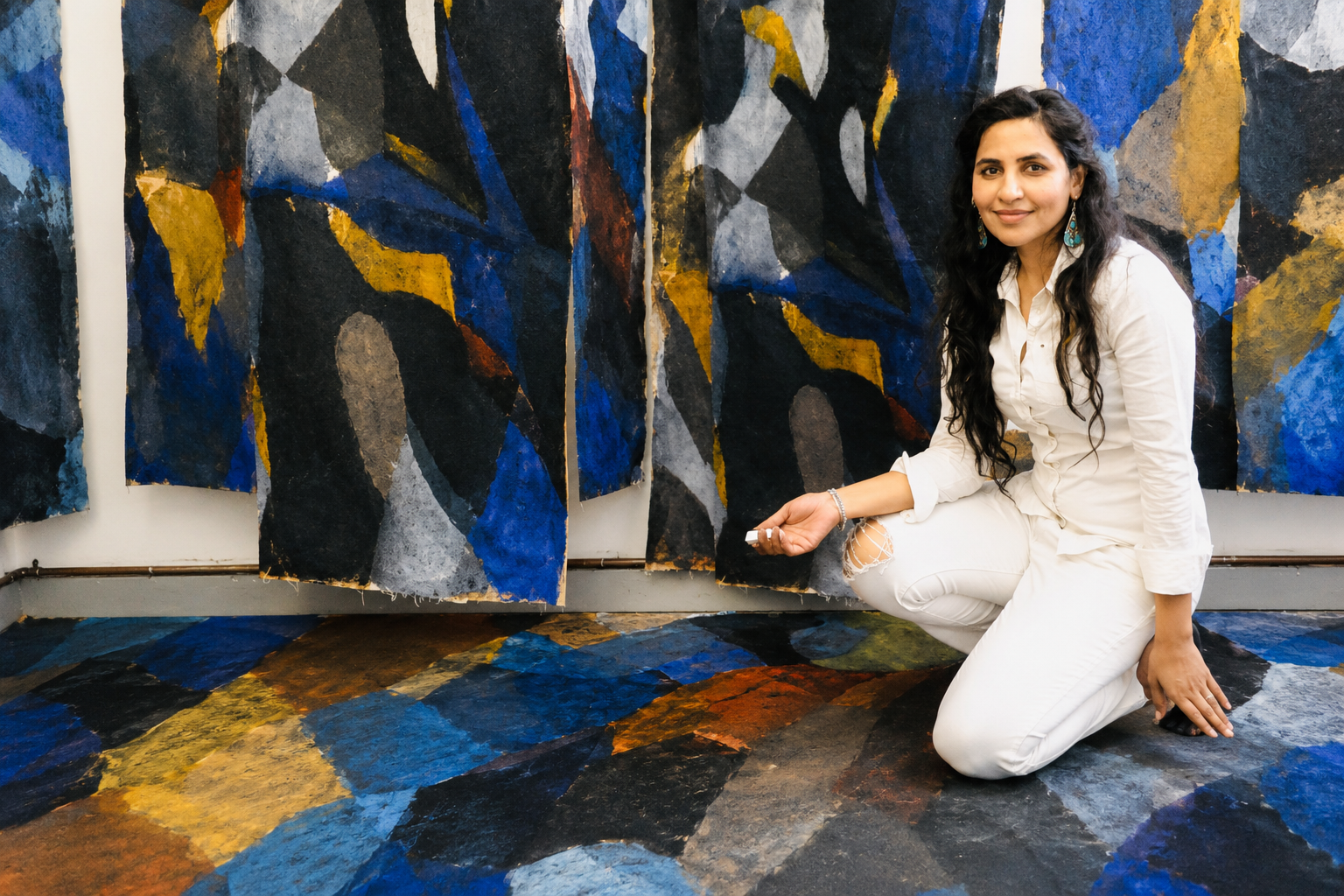
During my graduate studies at art school, I developed my own studio process by mixing paint, experimenting with pigments, layering surfaces, and exploring the magical alchemy created through layers of pigment on canvas. Exploring composition, colour harmony, shape relationships, expressive lines, and spontaneous marks helped me break through both creative and technical limitations and deepen my connection to painting itself.
These discoveries continue to shape my practice today. The techniques and understanding I gained through abstract painting also transformed the way I approach representational work, allowing me to paint more loosely, boldly, and with greater confidence. When you trust your process and feel connected to your way of working, that confidence naturally becomes visible in the final painting.
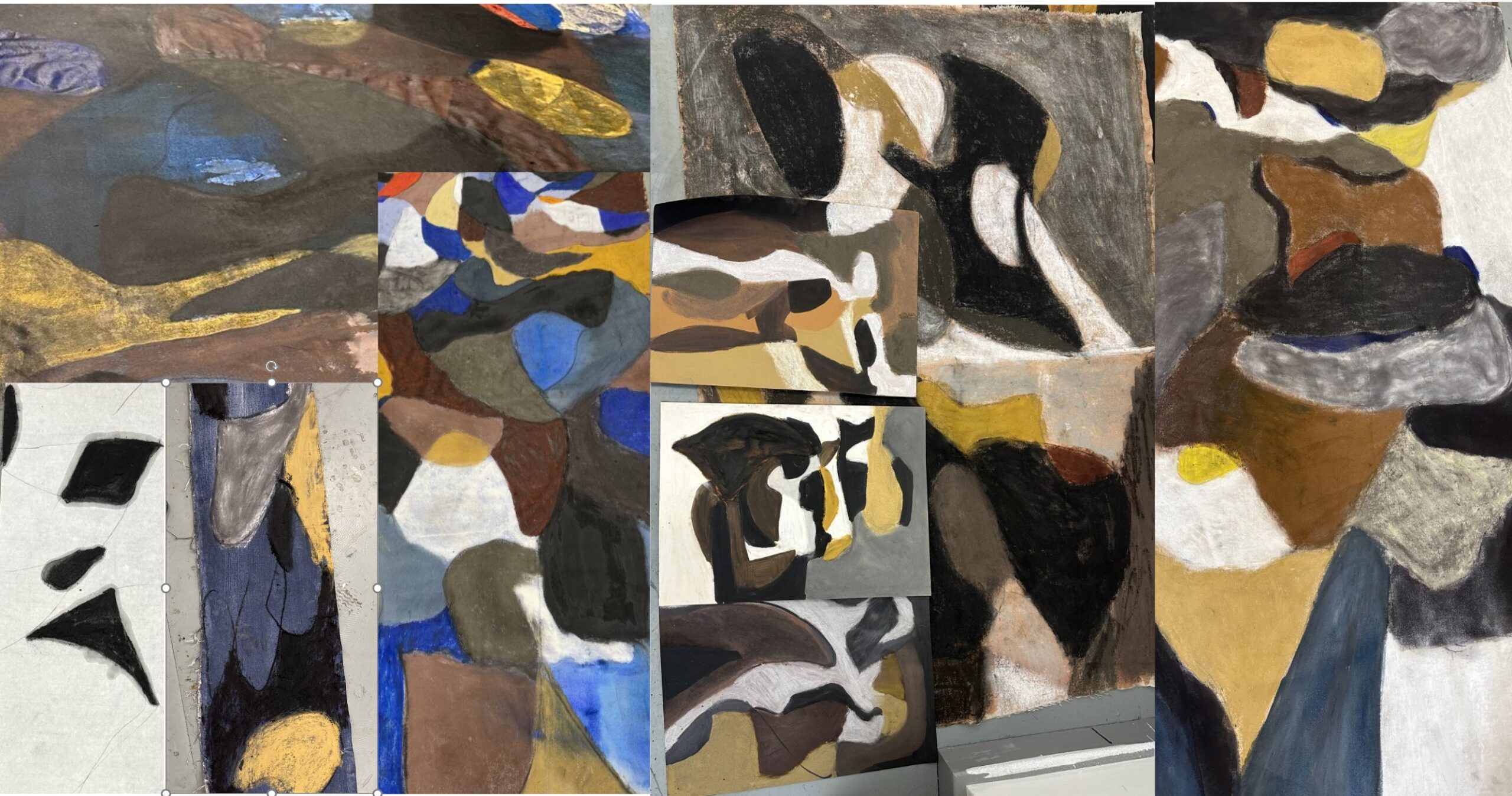
Below studio experiments using different materials, pigments, tools and surfaces.
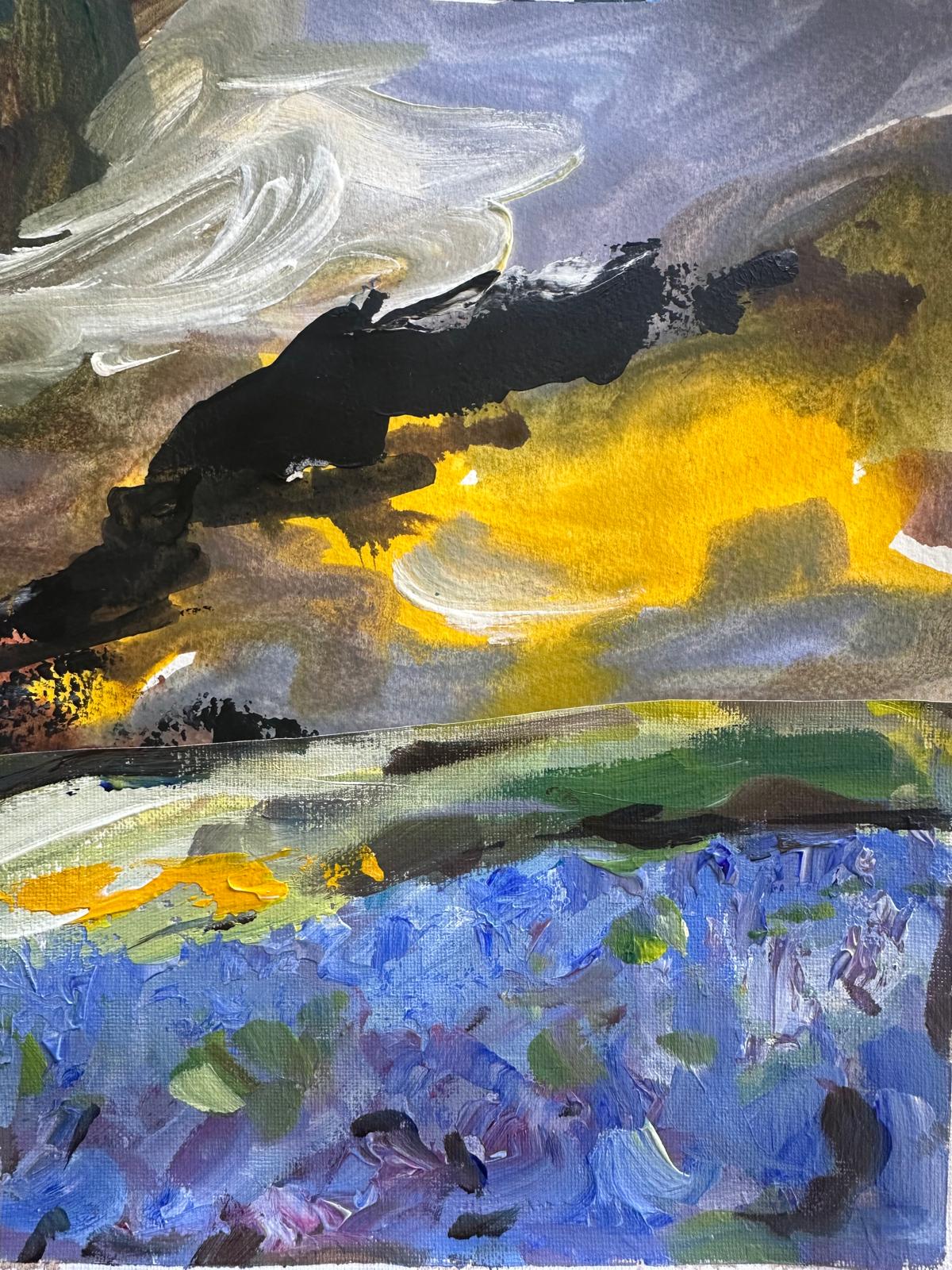
Below demonstrating quick exercises to create semi abstract or abstract landscape using gestural brush strokes and mark making.
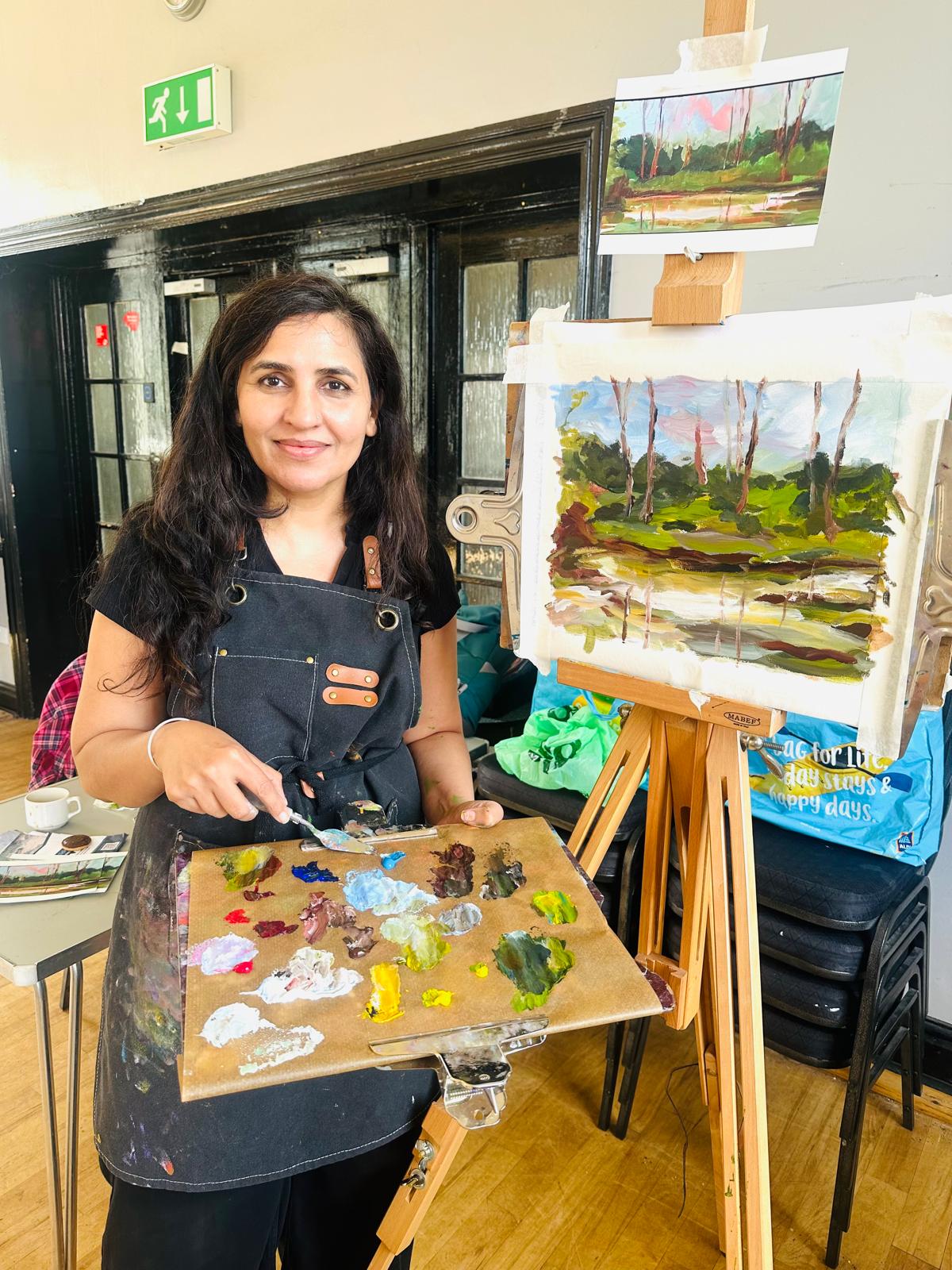
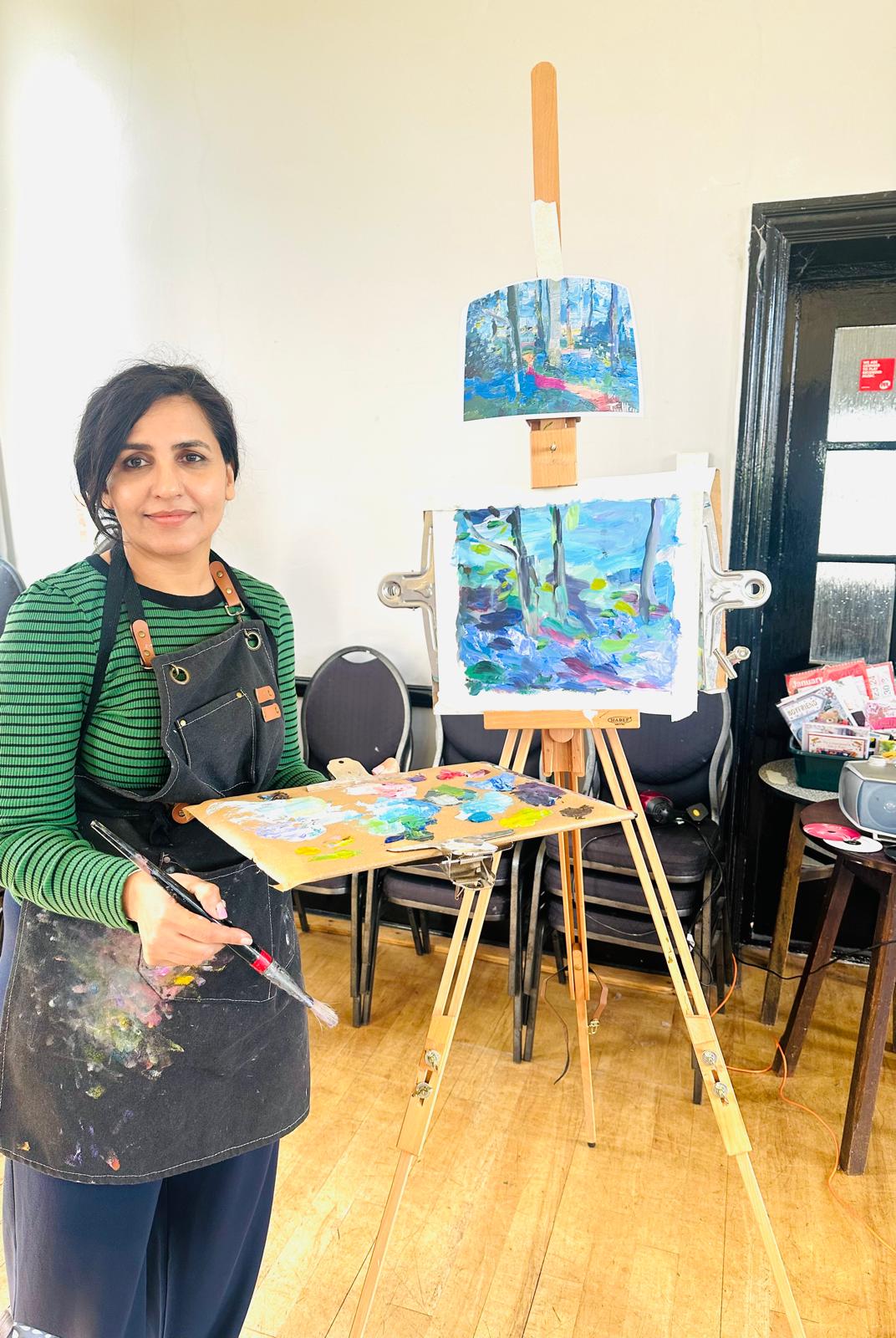
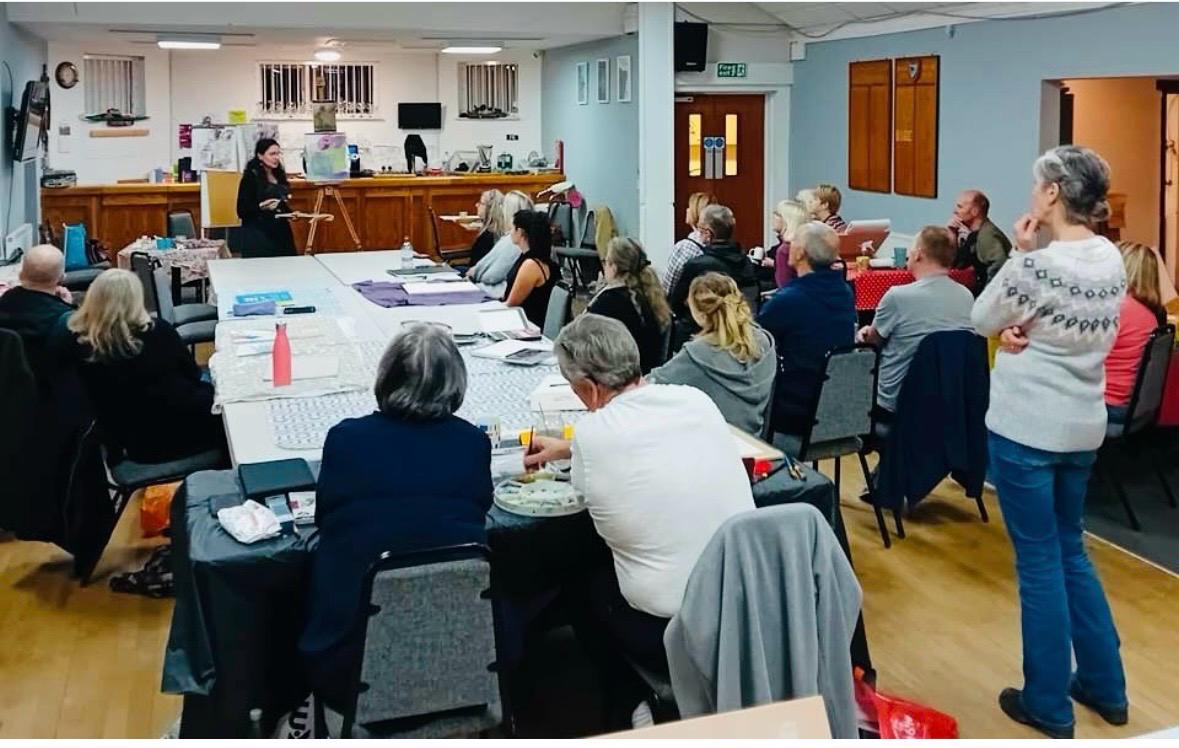
Above -Demonstrating the process of landscape painting in a step by step method at Lydiate, Sefton art group members.
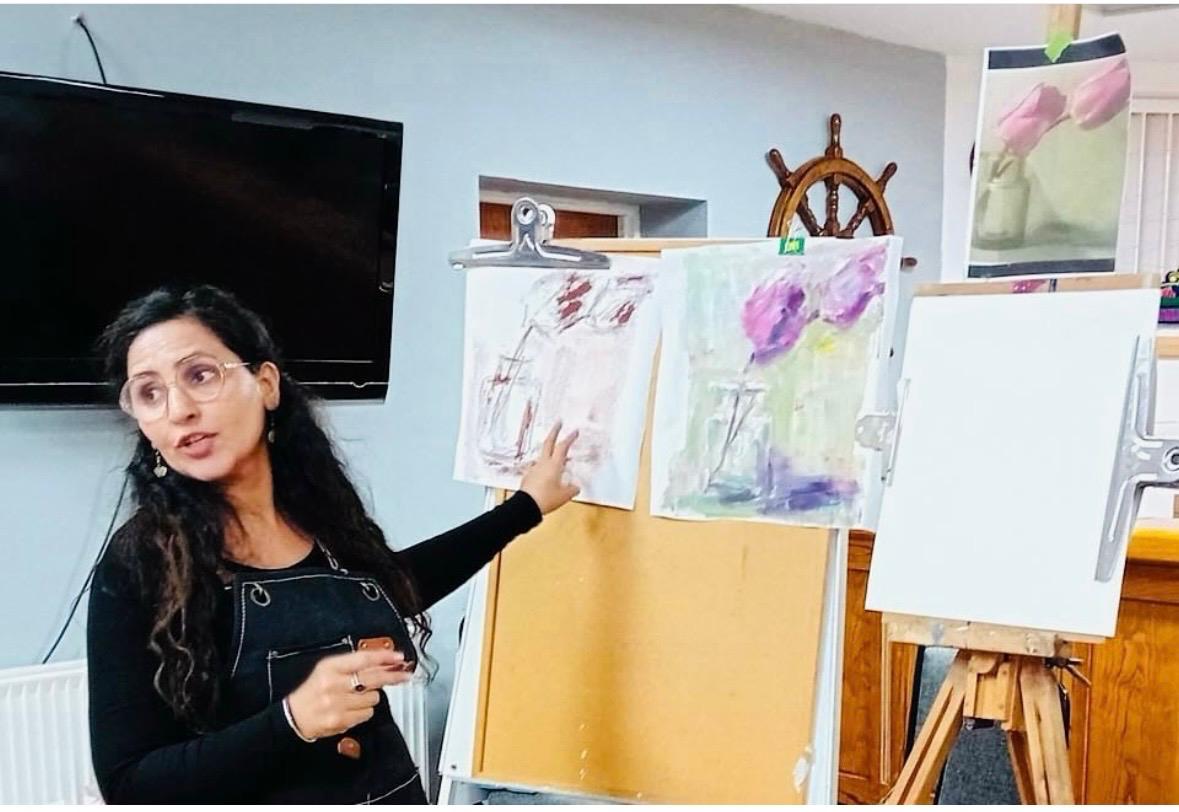
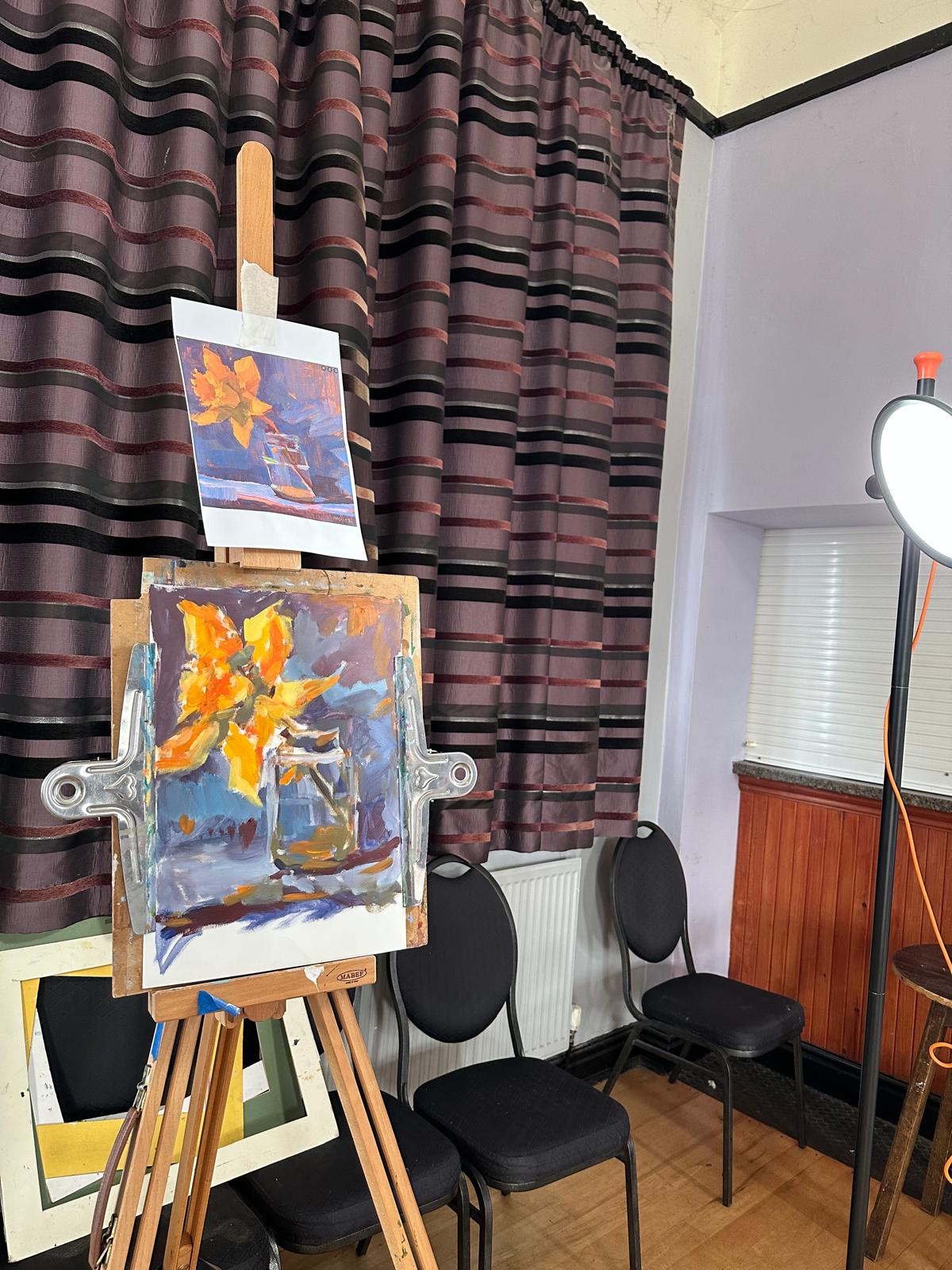
Below Still Life demo at Boat club, Lydiate - I demonstrate how to create a simple value sketch before starting a painting, helping you to see the relationships between light and dark, strengthen composition and design, and make clearer decisions before developing the final painting. Right - Still life demonstration at Lydiate.
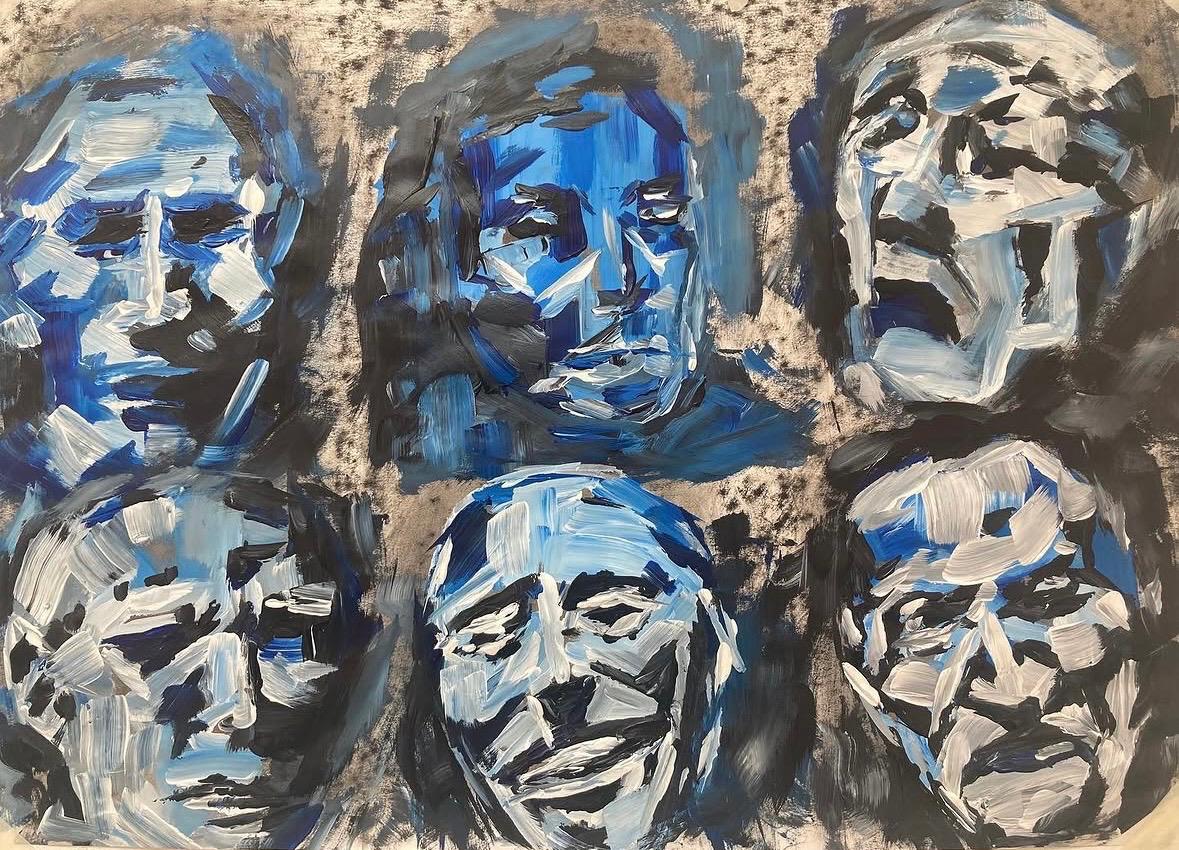
Above - Quick gestural exercises using shapes to capture different expressions.
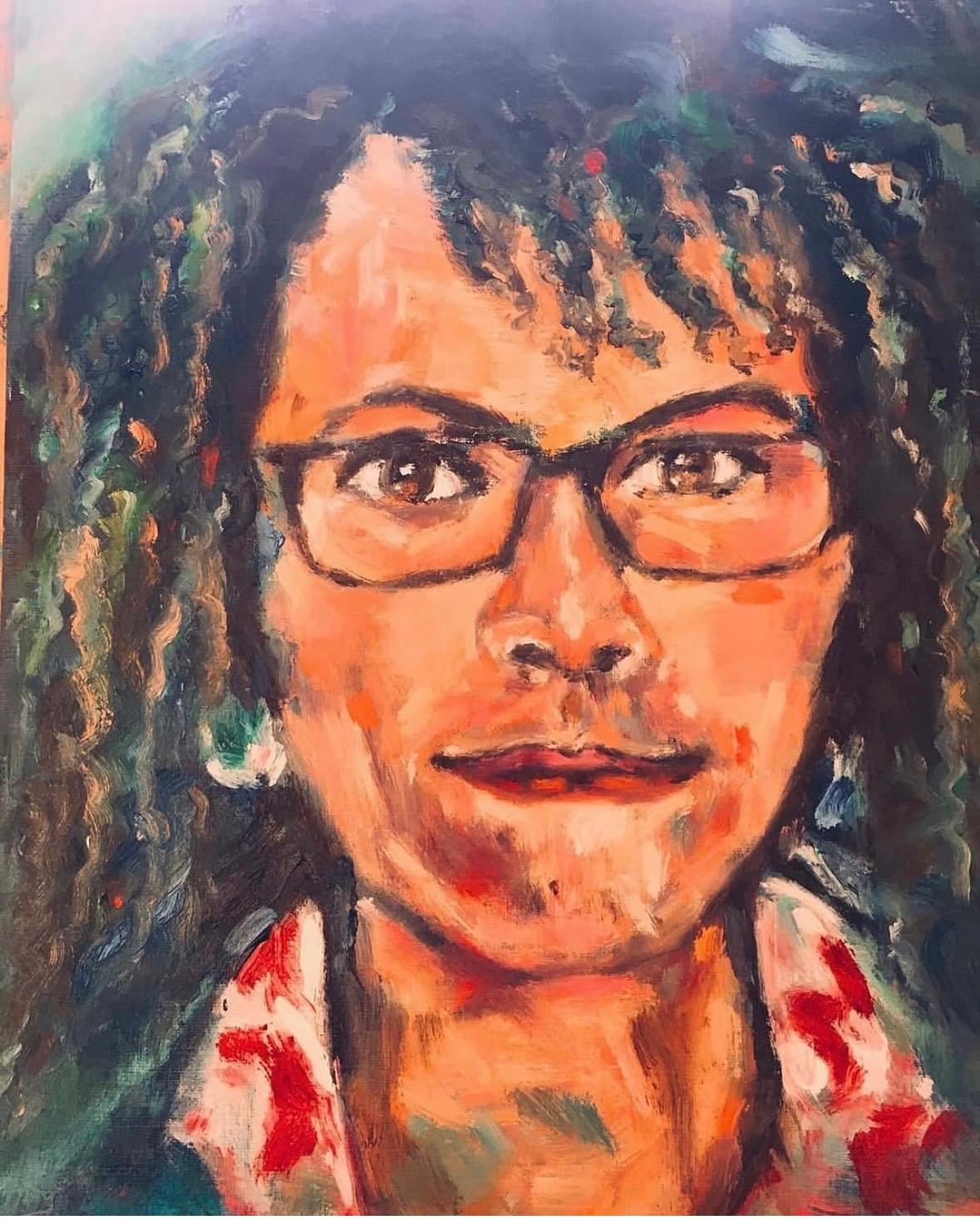
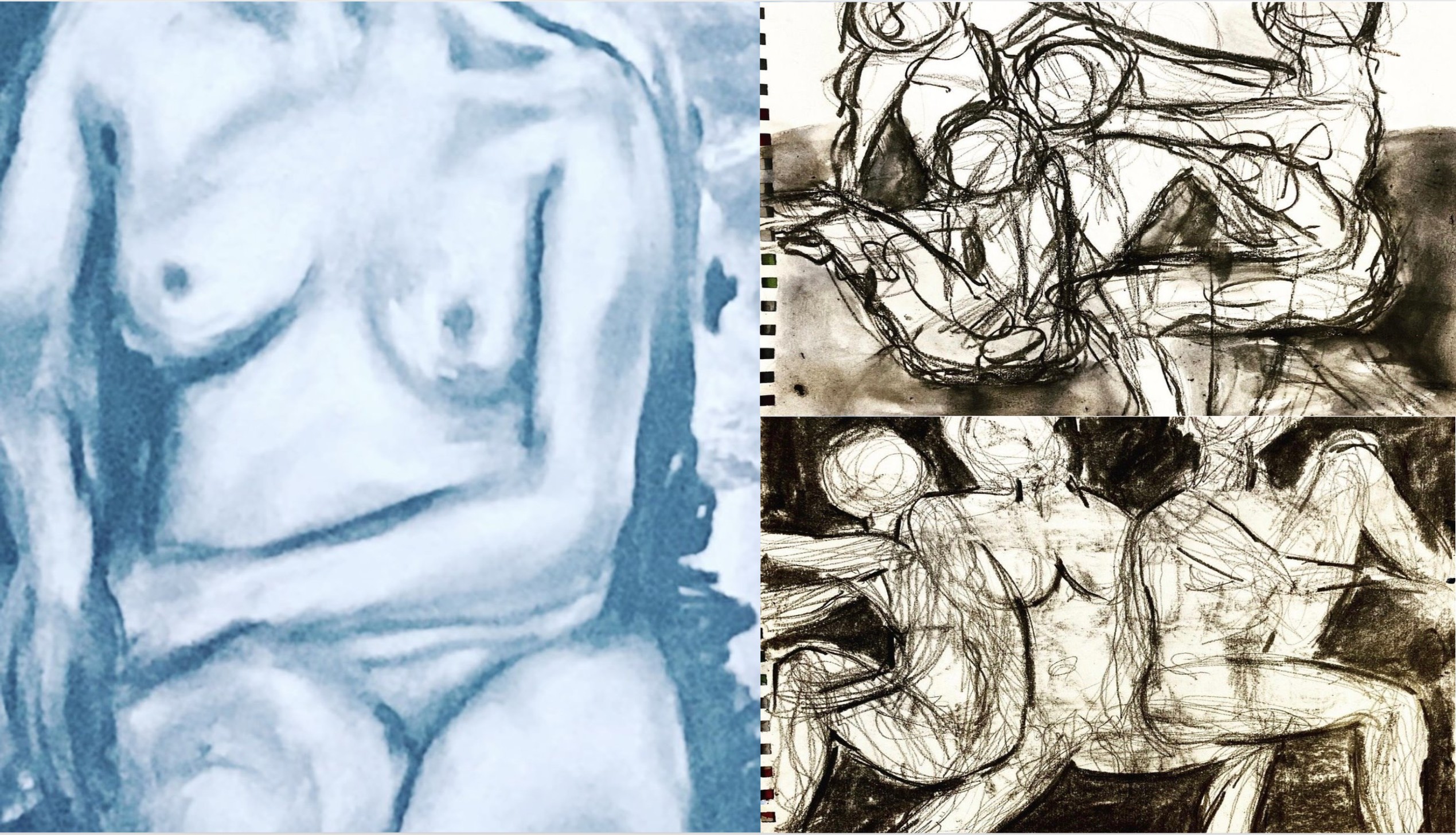
Right -Quick gestural drawings to start figures drawing . Left - more detailed drawing using measuring to draw the figure.

I have attended a few of Varsha's art classes. As a beginner I find Varsha very easy to along with. Varsha explains everything very well on what we will be doing on the day. Varsha has given me advice,support and enabled me to gain confidence in my work. I look forward to attending more of her classes in the near future.
Varsha offered me excellent guidance on approach and technique when I attempted my first black and white painting in her art class.She clearly demonstrated her explanations which really helped and gave me the confidence to have a go. I was pleased with the end result.
Jo
Not only Varsha is very talented, I find her teaching style very helpful and engaging
I was a little lost with my painting and Varsha helped me and was always there if I needed help or advice.
Varsha's classes helped me to improve my paintings in a friendly and informative way.